Market Value, Bank Value, And Facade Appeal Value Explained


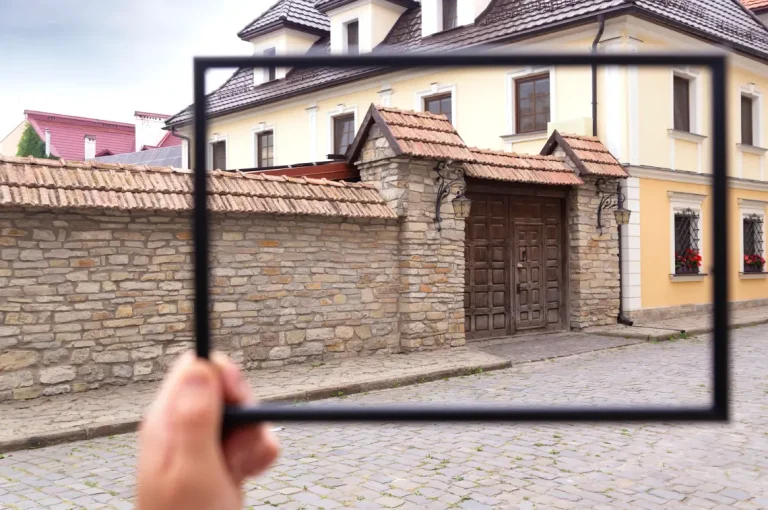
Market value vs bank valuation becomes more complicated when facade appeal value enters the discussion. Buyers may focus on street presence, entry presentation, exterior colour, gardens, fencing, and first impressions. Vendors may argue that kerb appeal should attract stronger offers. Lenders may focus on security risk, marketability, condition, and comparable sales. These figures can differ because they answer different questions. This article explains market value, bank value, and facade appeal value in plain English. It is general education only.
Market Value Vs Bank Valuation In Facade-Led Homes
Market value estimates what informed buyers and vendors may agree under normal market conditions. Bank valuation supports lender security. That difference matters when street presentation is a major selling point.
For example, an Adelaide villa may present beautifully from the street. Buyers may value the first impression, but the lender may still review condition and sales evidence carefully. Therefore, buyer preference and bank value may not match.
What Market Value Usually Considers
Market value usually considers the whole property and market evidence. It may review:
- Comparable sales
- Land size or floor area
- Dwelling condition
- Location
- Facade condition
- Title restrictions
- Exterior records
- Buyer demand
However, market value remains an evidence-based opinion. It is not the same as visual appeal alone.
Why Bank Valuation Can Be Cautious
Bank valuation can feel conservative because lenders manage risk. A lender may be cautious when:
- Comparable sales are weak
- Facade appeal is mostly cosmetic
- Exterior condition is uncertain
- Repair records are missing
- Title issues exist
- Buyer demand is narrow
In addition, loan-to-value ratio can be affected by the valuation result.
A Facade Appeal Example
Assume a property has fresh exterior paint, tidy fencing, and a strong front-entry presentation. If comparable sales do not show a clear premium for similar facade quality, the lender valuation may give limited weight to the feature. Therefore, visual appeal is not market proof by itself.
Facade Appeal Value Depends On Confidence
Facade appeal value depends on whether the exterior is attractive, sound, documented, and marketable. Repair records, clear title details, practical access, exterior condition, and relevant comparable sales can support confidence. However, purely cosmetic presentation can create uncertainty. Therefore, facade evidence should support analysis, not replace inspection.
Property Valuation For Homes With Strong Facade Appeal
Ownership Records Can Affect Confidence
Title records, planning records, approvals, strata records, easements, covenants, and transfer details can affect value confidence. For example, a front fence, driveway, carport, or facade alteration may need records or explanation. Therefore, ownership records should be checked before relying on any facade-related value assumption. Late record problems can create transaction stress.
Why Several Figures Can Exist At Once
One property can carry several value figures because each figure answers a different question. Market value may reflect likely exchange. Bank valuation may reflect lender security. Facade appeal value may reflect buyer confidence in first impressions. Therefore, several figures can exist without contradiction. However, averaging them is poor analysis.
Common Facade Value Mistakes
Buyers often assume strong street appeal means strong overall value. It does not. Owners may assume facade improvements add their full cost to value. That may be too simple. Some people ignore condition, title, lender, or duty issues because the front elevation looks attractive. Therefore, facade decisions need evidence, not assumptions.
Frequently Asked Questions
Is market value vs bank valuation always different?
No. They can be similar. However, facade-led properties can expose differences.
Does a strong facade always increase value?
No. The effect depends on condition, buyer demand, records, and market evidence.
Can bank valuation be lower despite strong street appeal?
Yes. It can happen if sales evidence does not support the price.
Should buyers average different values?
No. Each figure should be read by purpose, date, and evidence.
The Bottom Line
Market value vs bank valuation becomes clearer when facade appeal value is separated from first impressions. Market value reflects evidence and buyer behaviour. Bank valuation supports lender security. Facade appeal value reflects exterior condition, presentation, records, and buyer confidence. These may differ. Therefore, buyers and owners should check purpose, date, title records, exterior condition, comparable sales, lender risk, and transaction costs before relying on any value number.